

FBMJ attorneys, Clyde M. Metzger and Mitchell C. Jackson, presented “Avoiding (Digital) Skeletons in the (Electronic) Closet” to the Michigan Society of Healthcare Risk Management (MSHRM) on September 16, 2020, as part of its Webinar series.
The presentation covered current trends and legal issues surrounding the preservation of electronically-stored information (“ESI”), including the importance of preservation considering contemporary juror attitudes and verdict trends; guidelines for preserving and producing ESI; and strategies for avoiding the adverse consequences associated with the failure to preserve.
The Michigan Society of Healthcare Risk Management is an organization comprised of professionals from various aspects of the healthcare industry, including large and small healthcare facilities in urban and rural communities, as well as acute, long-term, and specialty care facilities, hospital insurers, attorneys, and independent risk management consultants. Formed in 1979, MSHRM’s mission is to promote professional development and leadership in the management of risk across the healthcare industry in Michigan.
Please contact attorneys Clyde M. Metzger or Mitchell C. Jackson at 734-742-1800 for more information.
September 2020

FBMJ Attorneys Featured Presenters at MSHRM Event
FBMJ attorneys, Clyde M. Metzger and Mitchell C. Jackson, presented “Avoiding (Digital) Skeletons in the (Electronic) Closet” to the Michigan Society of Healthcare Risk Management (MSHRM) on September 16, 2020, as part of its Webinar series. The presentation covered current trends and legal issues surrounding the preservation of electronically-stored information (“ESI”),
September 2020

Attorney Anthony Pignotti Authors Article on COVID-19 Executive and Administrative Orders and Their Impact on the Legal System for MDTC Quarterly
FBMJ attorney Anthony Pignotti authored “Summary and Analysis of Executive and Administrative Orders Issued in Response to the COVID-19 Pandemic and Their Impact on the Legal System” for the September 2020 issue of Michigan Defense Quarterly Volume 37, No. 1 – 2020. The article addresses how COVID-19-related executive and administrative orders
August 2020

FBMJ Attorneys Win Change for Toxic Tort Causation Standards in Michigan
FBMJ Attorneys recently prevailed in convincing the Michigan Court of Appeals to require more stringent causation proofs from plaintiffs in toxic tort cases. The case will have far reaching consequences for all toxic tort cases, as the opinion brought causation analysis in Michigan toxic tort cases in-line with the causation
August 2020

2021 Medical Marijuana Licensing Fees – Not So High
The annual regulatory fees set by state regulators and paid by licensed medical marijuana businesses are significantly decreasing – by up to 70% for some licensees. The decrease in these fees, which cover costs incurred by the state in maintaining the state medical marijuana program, is a welcome development to
July 2020

Court of Appeals Cites Denney Damages in Medical Malpractice Ruling for the First Time
By: FBMJ Attorneys Sarah Berard, Daniel Cortez, Juliana Khalifeh, and Saulius Polteraitis. A decision July 30, 2020 from the Court of Appeals applies, for the first time in a medical malpractice case, a controversial 2016 opinion that allows plaintiffs in wrongful death cases recovery of lost wages of the decedent as
July 2020

Oakland County Violated Constitution by Keeping Tax Sale Proceeds
County governments that sell properties at auction to satisfy unpaid tax debts commit an unconstitutional taking when they keep the surplus proceeds of those sales beyond the amount of taxes owed. Relying in part on law from 800 years ago, the Michigan Supreme Court issued a ruling on July 17,
July 2020

Gov. Whitmer Extends Remote Notarization Provisions Through August 31, 2020
Remote notarizations will continue to be permitted through August 31, 2020 under a new order Gov. Whitmer issued this week. Executive Order 2020-158 extended a previous order encouraging the use of electronic signatures and remote witnessing of signatures due to COVID-19 and suspending in-person notarization and signing requirements. NOTARIZATION As with the
July 2020

Attorney Anthony D. Pignotti Featured Presenter for Michigan Society of Healthcare Risk Management (MSHRM)
FBMJ attorney, Anthony D. Pignotti, presented “Use and Disclosure of Electronically Stored Information in Healthcare” to the Michigan Society of Healthcare Risk Management (MSHRM) on July 15, 2020, as part of its Summer Webinar Series. The presentation covered the potential types of ESI generated and maintained in healthcare systems, the legal rules
July 2020
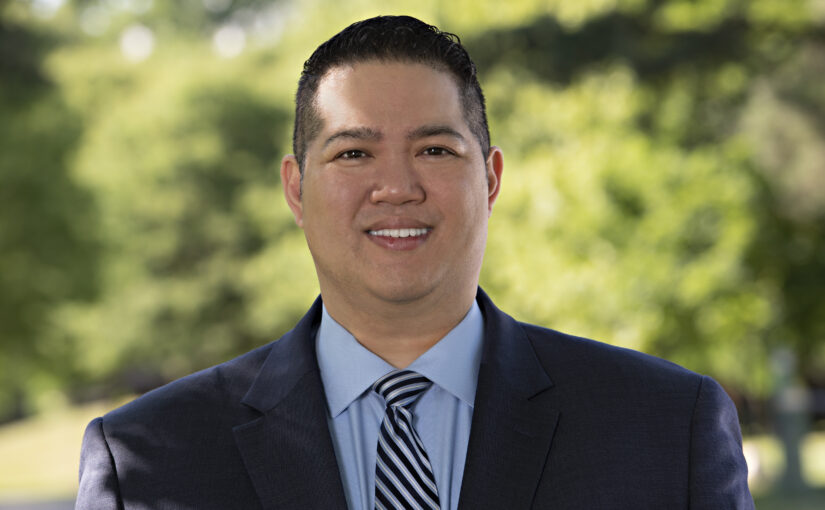
Carlos Escurel Joins Foley, Baron, Metzger & Juip, PLLC as an Associate Principal
Foley, Baron, Metzger & Juip, PLLC, is pleased to announce that Carlos Escurel has joined the firm as an Associate Principal. Escurel brings extensive experience in the area of medical malpractice to the firm, having defended healthcare professionals and institutions for over 17 years. His primary focus is handling complex medical
July 2020

Michigan State of Emergency Extends Into July: Here’s What Litigants Need to Know
Many of the more than 160 Executive Orders and Administrative Orders Gov. Whitmer and the Michigan Supreme Court have issued in response to the COVID-19 pandemic impact the legal system, the litigants, and their insurers. Below is a brief review of how these orders change important civil litigation deadlines ranging