


FBMJ attorney, Anthony D. Pignotti, presented “Use and Disclosure of Electronically Stored Information in Healthcare” to the Michigan Society of Healthcare Risk Management (MSHRM) on July 15, 2020, as part of its Summer Webinar Series. The presentation covered the potential types of ESI generated and maintained in healthcare systems, the legal rules
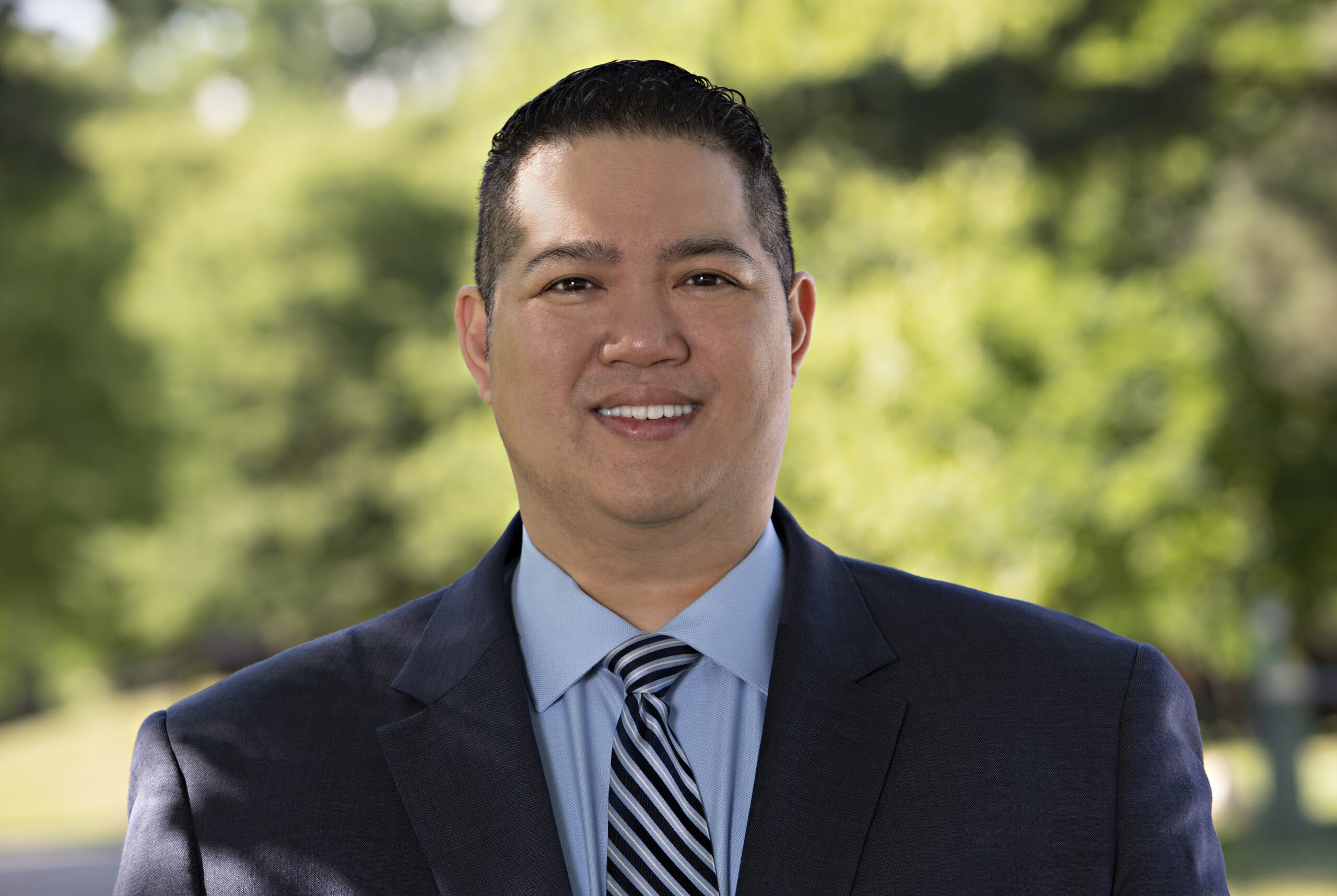
Foley, Baron, Metzger & Juip, PLLC, is pleased to announce that Carlos Escurel has joined the firm as an Associate Principal.
Escurel brings extensive experience in the area of medical malpractice to the firm, having defended healthcare professionals and institutions for over 17 years. His primary focus is handling complex medical

By: Christina J. Green, Nicole C. Joseph-Windecker and Mitchell C. Jackson
How long does a plaintiff have to file a medical malpractice case? Well, that could be changing soon, as the Michigan Supreme Court recently took up an appeal that may give plaintiffs more time to file suit. This appeal could impact the healthcare
June 2020

Attorney Brian Whitelaw Featured Speaker at Society for Vascular Surgery Webinar Town Hall Meeting
On May 15, 2020, FBMJ attorney Brian Whitelaw presented during a live webinar town hall meeting, “COVID-19 Town Hall: Legal and Financial Aspects of Restarting Your Clinical Practice,” hosted by the Society for Vascular Surgery. Brian joined a panel of 5 professionals, including vascular surgeons from the Mayo Clinic, University

Governor Whitmer’s Executive Order (EO 2020-104, the “Order”) aims to help prevent the further spread of COVID-19 by enabling additional types of qualified medical professionals to order and administer COVID-19 tests. The Order encourages the establishment of community testing locations by reducing barriers to siting and staffing such test sites.

The ill effects of the COVID-19 pandemic have touched all aspects of American commerce, and the doctor-patient relationship is no exception. Immuno-compromised patients, those with pre-existing conditions, and even the healthy are forgoing doctor visits of all kinds, likely out of fear of contracting the virus. In the first three

Governor Whitmer has built upon prior executive orders and clarified the process for returning to “in-person” work in Michigan via Executive Order 2020-97 (the “Order,” available here). The Order requires that by the later of June 1, 2020, or within two weeks of resuming in-person work, any company operating in


In addition to the Stay-at-Home provisions and exceptions in Governor Whitmer’s Executive Order 2020-42 which are outlined below, the Order requires business owners to address three legal requirements to conduct in-person operations. These are: (1) Preparation of a COVID-19 Preparedness and Response Plan consistent with OSHA guidance; (2) determine who,

On March 23, 2020, Governor Whitmer issued a “stay-at-home” order titled Executive Order 2020-21 (“EO 2020-21”). The stated purpose of the Order is to assist in slowing the spread of novel Coronavirus COVID-19 and to protect the healthcare system from being overwhelmed. This article provides an overview of the Order